

Article: Most Clothes Don’t Fit Real Women
Most Clothes Don’t Fit Real Women
If dresses fit one part of your body but not the rest, it’s not your body.
It’s the way most clothing is designed.
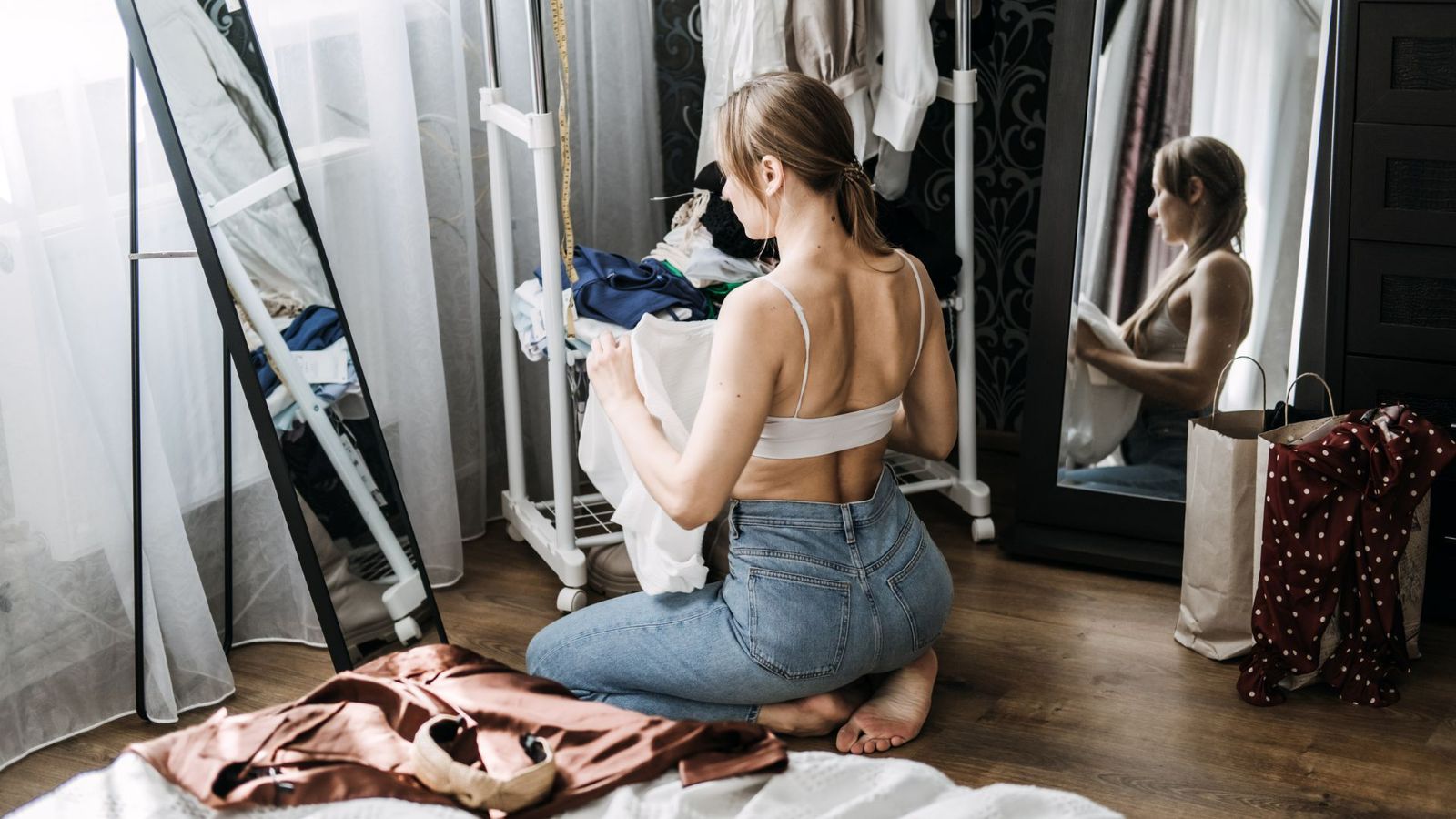
You try on a dress.
It fits your bust, but pulls at your hips.
Or it fits your hips, but gaps at your chest.
You adjust.
You size up.
Then down.
You plan to make it work with shapewear, tailoring, or careful positioning.

After a while, you stop expecting clothes to fit properly at all.
For many women, this doesn’t start suddenly. It appears gradually, often around life changes that are both normal and unavoidable: childbirth, menopause, illness, medication, weight fluctuations, or simply time. Bodies shift. Proportions change. Sometimes subtly. Sometimes all at once.
And yet, clothing rarely changes with them.
Most dresses are designed around a single, fixed proportion. From there, sizes are “graded” up or down — meaning the same shape is simply made larger or smaller. In theory, this sounds efficient. In practice, it creates a problem.
Because real bodies don’t grow or shrink evenly.
What tends to happen is one of two things. Some women can technically find their size, but nothing fits comfortably across the entire body. It might fit the top but strain at the hips, or sit well on the bottom but feel restrictive through the chest or middle. Others struggle to find dresses that allow enough room to begin with, especially as sizing options narrow.
Different experiences.
The same design limitation.
And when something doesn’t fit, women are often taught — directly or indirectly — to blame themselves. To assume their body is the issue. To accept discomfort as normal. To believe that feeling “between sizes” means something is wrong with them.

But if you’ve ever felt between sizes, you probably aren’t.
You’re simply not the proportion standard sizing was built for.
This is why shopping can start to feel exhausting. Why dresses “almost” fit. Why getting dressed becomes a negotiation instead of a simple part of the day. It’s not a failure of your body — it’s a limitation of a system that hasn’t kept pace with how women actually live and change.
Which raises a quiet but important question.
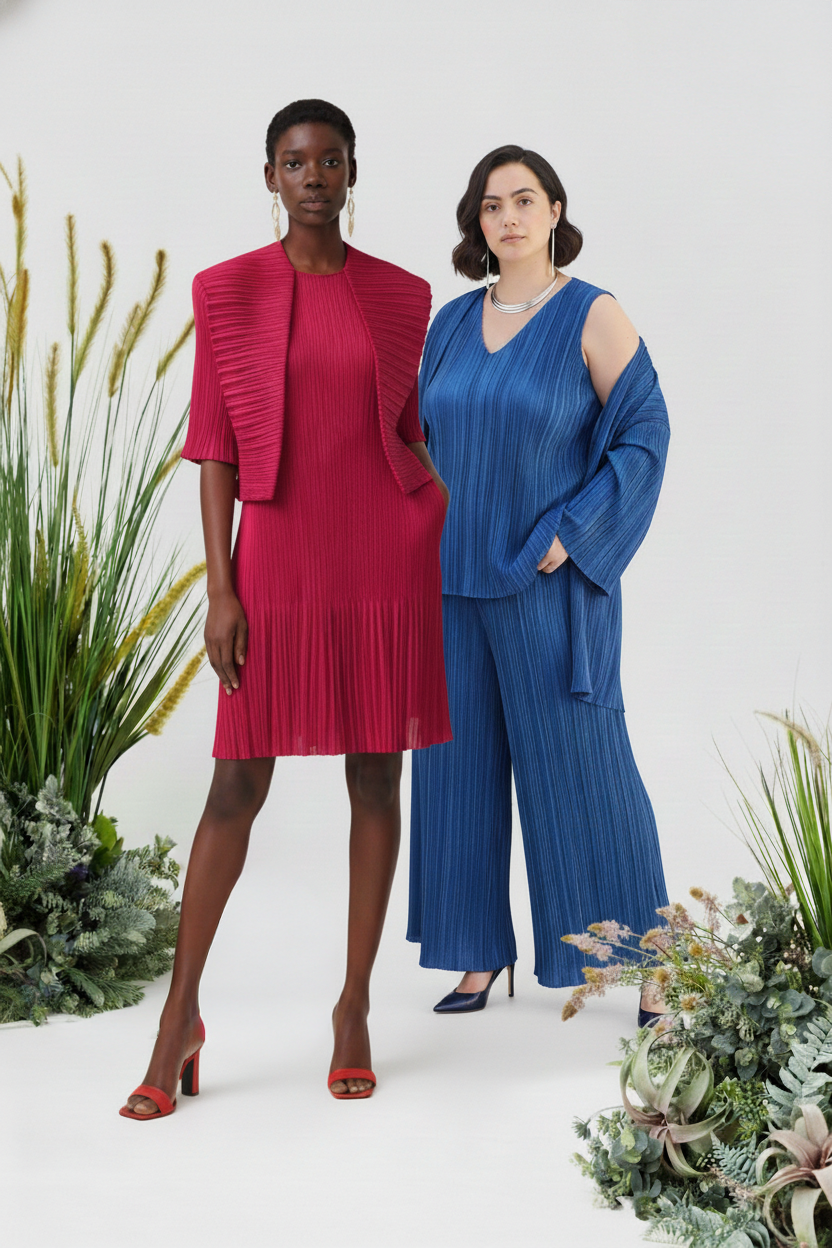
What would clothing look like if it adapted to women instead?
If fabric and design responded to shape, movement, and change — rather than forcing bodies into fixed measurements?
Understanding this difference is often the first moment of relief. Because once you see the problem clearly, you can finally stop blaming yourself for it.

Leave a comment
This site is protected by hCaptcha and the hCaptcha Privacy Policy and Terms of Service apply.